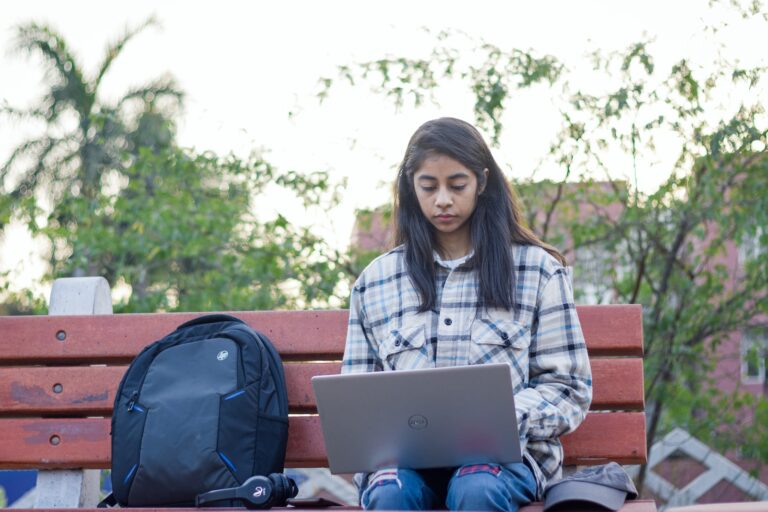
Online Counseling Degrees Are Becoming Less ‘Online’ – and That May Be a Good Thing
For working adults, career changers and students who are located far from the main universities, online graduate education has revolutionized access to professional training. Counseling has been a part of that change, and more programs are providing online courses and flexible schedules. However, clinical mental health counseling is also a career that requires hands-on work, supervised practice, and the capacity to respond effectively in complicated situations. That’s why the future of online counseling education might have more face-to-face components than ever.
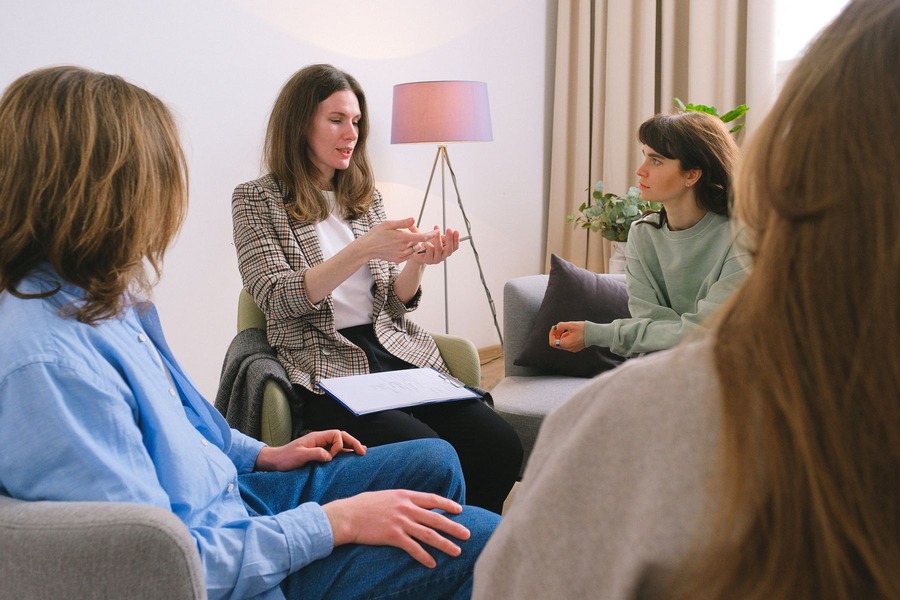
When students are comparing clinical mental health counseling online masters programs, the question isn’t “Can lectures be done online?” anymore. The quality of the program relies more and more on the integration of online coursework with live skills training, supervised clinical experience and opportunities to demonstrate competence in an actual counseling setting.
Counseling Has a Natural Limit to Full Virtualization
Much of counselor education is very effective in an online format. Students will have the opportunity to learn about ethics, counseling theory, assessment, research methods and human development via digital platforms. Live video seminars can aid discussion, and recorded lectures can provide students with more flexibility in their work and family lives.
Clinical skills are not the same. Counselors should be taught to listen intently, be attuned to shifts in tone and body language, handle silence, and trust and respond appropriately during emotionally challenging conversations. These skills can only be learned through reading and written tasks.
That puts an upper limit on the extent to which counseling education can be conducted online. The best programs will be the ones that maintain the open and accessible nature of remote learning while acknowledging that certain skills need to be seen, practiced and given feedback.
In-Person Training Can Strengthen Online Programs
Face-to-face requirements don’t detract from the value of online education. While providing a supplement to a remote course, short residencies, intensive skills sessions, and supervised practice are available. Students can still work on most of their academic work at home, with sessions focused on practical development.
This blended approach may be especially applicable for role-playing counseling sessions. Faculty members have the opportunity to see students’ communication, response to challenging situations, and application of theory in real time. Students can also receive real-time feedback, rather than relying solely on written evaluations.
That kind of assessment is important for clinical practice. Counseling theory does not necessarily make someone qualified to sit with a client who is grieving, going through trauma, or dealing with anxiety or crisis. Skills must be applied and experienced.
Clinical Placements Remain the Most Important Bridge
Local clinical placements are still very important, even in programs that are mostly online. Students have opportunities to engage in Practicum and Internship experiences that enable them to work with actual clients under supervision. They can often serve as the transition from classroom knowledge to professional judgment.
Moreover, this is another reason why online counseling degrees can never become completely location-independent.
Students can attend lectures online, but placement, supervision, and experiences must be approved and meet program and licensing requirements. There is thus a significant role for universities to play in educating students on the placement mechanism prior to their joining the university. The overall difficulty of a flexible online course may escalate rapidly if a student has a problem finding appropriate supervised experience near home.
Ultimately, more important than the number of asynchronous lectures is strong placement support.
Telehealth Makes Hybrid Training Even More Relevant
Telehealth has come into the picture as well. Today’s counselors can meet with their clients face-to-face or over video. Graduate training should thus equip students to deal with two types of therapeutic communication.
There are special skills needed for remote counseling. Practitioners must be aware of privacy, tech failures, crisis procedures, and ways to keep clients engaged when they and the counselor are not in the same room.
Students who finish part of their schooling online may already be familiar with communicating via digital means. But being a good professional telehealth provider is more than just being comfortable with video calls. Programs need to teach the clinical and ethical differences between remote and face-to-face practice.
Flexibility Should Not Mean Lower Standards
Accessibility has always been the best case for online counseling education. It should not be necessary for a student to move or quit a job to start preparing for a counseling career. Distance learning can eliminate significant geographical and time constraints.
However, accessibility does not go hand in hand with laxity. Having to practice, take live skills tests, or attend occasional in-person training can help prepare students for the realities of work in flexible programs.
That distinction is especially significant in mental health care, where graduates will one day be expected to help individuals through challenging and at times high-risk situations.
The Future Is Probably Hybrid
There is no indication that online counseling education will go away. As universities seek to grow the mental health workforce, flexible graduate programs will continue to be key, if anything.
The one thing that could go away is the idea that an Online degree requires all the components to be online. A hybrid approach is probably the best: theory online, clinical practice local, live assessment when required, and good supervision throughout.
For instance, this might make such degrees a little less convenient than a purely virtual degree. It also might make them more credible, more clinically useful and better suited to what counseling really requires. Being a little less online could be a sign of progress for a profession that’s all about people.